
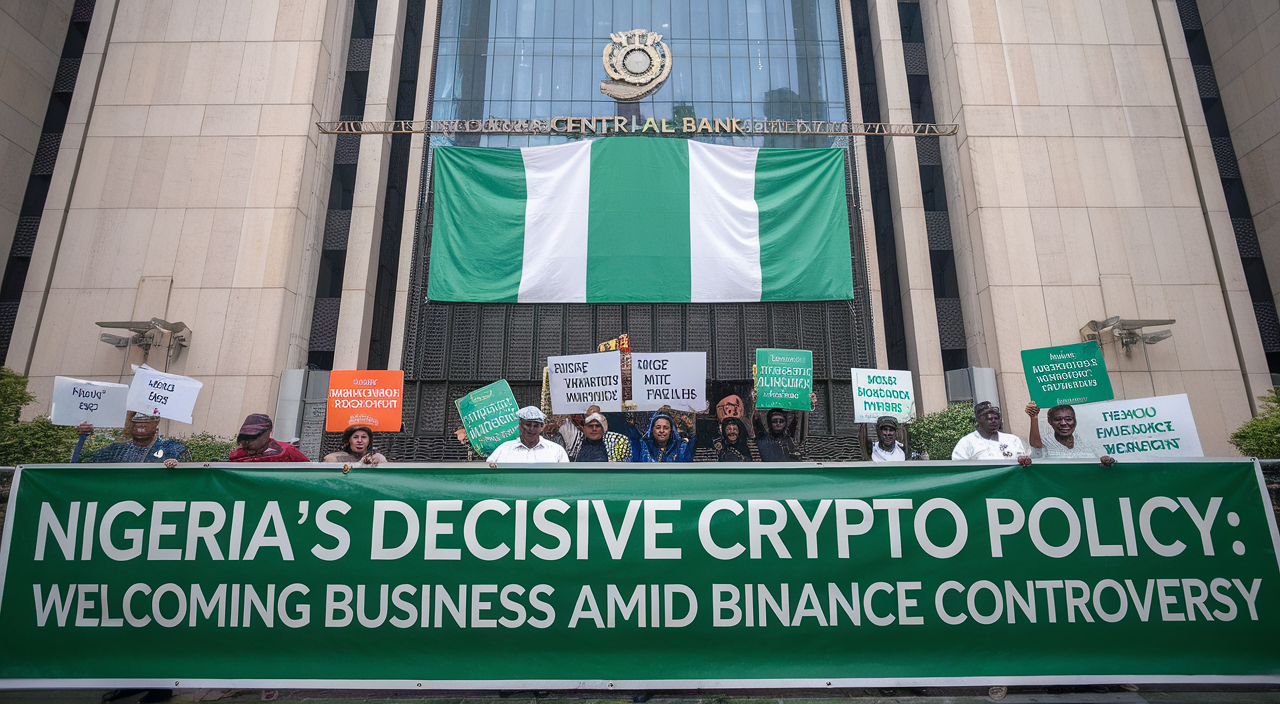
Nigeria continues to advance its cryptocurrency agenda amid a high-stakes legal battle with Binance, signaling a commitment to shaping a regulated yet innovation-friendly digital asset ecosystem. Authorities detained two Binance executives in early 2024, accusing the platform of exacerbating the naira’s devaluation and facilitating $26 billion in untraceable transactions. The government filed an $81.5 billion lawsuit against the exchange for alleged tax evasion and economic damage, while restricting naira-related services on the platform. Despite this, officials emphasize the crackdown targets non-compliance rather than the crypto sector itself, with Information Minister Mohammed Idris stating Nigeria remains open to licensed digital asset firms.
The Securities and Exchange Commission (SEC) has provisionally approved local crypto exchanges like Busha and Quidax, enabling resumed naira transactions under stricter oversight. In parallel, Nigeria is developing “Nigerium,” a sovereign blockchain designed to enhance data security and reduce reliance on foreign-led technologies. The initiative aims to bolster national cybersecurity, streamline regulatory compliance, and position the country as a regional hub for blockchain innovation.
Nigeria’s crypto adoption remains robust, ranking second globally with $59 billion in transactions between mid-2023 and mid-2024. Citizens increasingly turn to stablecoins to hedge against inflation, which reached 30% in 2024. While Binance’s exit created short-term disruptions, traders have migrated to alternative platforms, maintaining Nigeria’s status as Sub-Saharan Africa’s largest crypto market. The Central Bank has reintroduced regulated crypto transactions after a three-year ban but insists on stringent anti-money laundering controls.
Critics argue excessive fines against Binance risk deterring foreign investment, drawing parallels to past disputes like the $5.2 billion MTN penalty. However, policymakers counter that updated visa rules, tax reforms, and clearer digital asset guidelines demonstrate improved conditions for fintech enterprises. As Nigeria walks the tightrope between enforcement and innovation, its ability to balance economic sovereignty with technological inclusivity could set precedents for emerging markets navigating crypto’s promise and pitfalls.
Sources:
https://www.theafricareport.com/377463/nigeria-vs-binance-what-is-behind-the-high-stakes-crypto-showdown/
https://www.theafricareport.com/360383/nigerias-crypto-comeback-sec-approves-local-exchanges-post-binance-ban/
https://www.opinionnigeria.com/despite-80b-binance-lawsuit-nigeria-is-open-to-crypto-firms-minister-idris/
Nigeria takes bold step in blockchain technology with ‘Nigerium’ initiative
https://www.ainvest.com/news/nigeria-opens-doors-crypto-businesses-regulatory-overhaul-2503/